Web3 Social: How Decentralized Social Networks Are Changing the Internet
Learn what Web3 social is, how decentralized social networks work, and how blockchain technology is changing online communities and creator ownership.

What Web3 Social Is
Web3 social refers to decentralized social networking platforms built on blockchain technology. These platforms aim to change how online communities operate by giving users greater ownership of their content, identity, and digital relationships.
Traditional social media platforms operate through centralized systems controlled by large technology companies. These companies host user data, set platform rules, and monetize user-generated content. Web3 social networks introduce a different structure.
Instead of storing user data on centralized servers, decentralized social platforms use blockchain networks and distributed storage systems. Users authenticate themselves using blockchain wallets rather than traditional accounts. This model allows users to control their digital identities and content directly.
Because ownership and identity exist on decentralized networks, users can move between platforms while maintaining their digital reputation and connections.
Problems With Traditional Social Media
Traditional social media platforms have enabled global communication and digital communities. However, the centralized structure of these platforms creates several challenges.
One major issue involves ownership of user content. When users post content on centralized platforms, the platform typically controls how that content is distributed and monetized. Creators often have limited control over how their work is used.
Algorithmic control is another issue. Centralized platforms determine which content users see through proprietary algorithms. These systems influence visibility and engagement but often lack transparency. Privacy concerns also play an important role, as social media companies collect large amounts of user data.
Portability is a further structural weakness. If a creator loses access to a traditional platform account, their audience, content history, and platform identity may disappear with it. Web3 social platforms aim to address these problems by building systems that give users greater control.
How Decentralized Social Networks Work
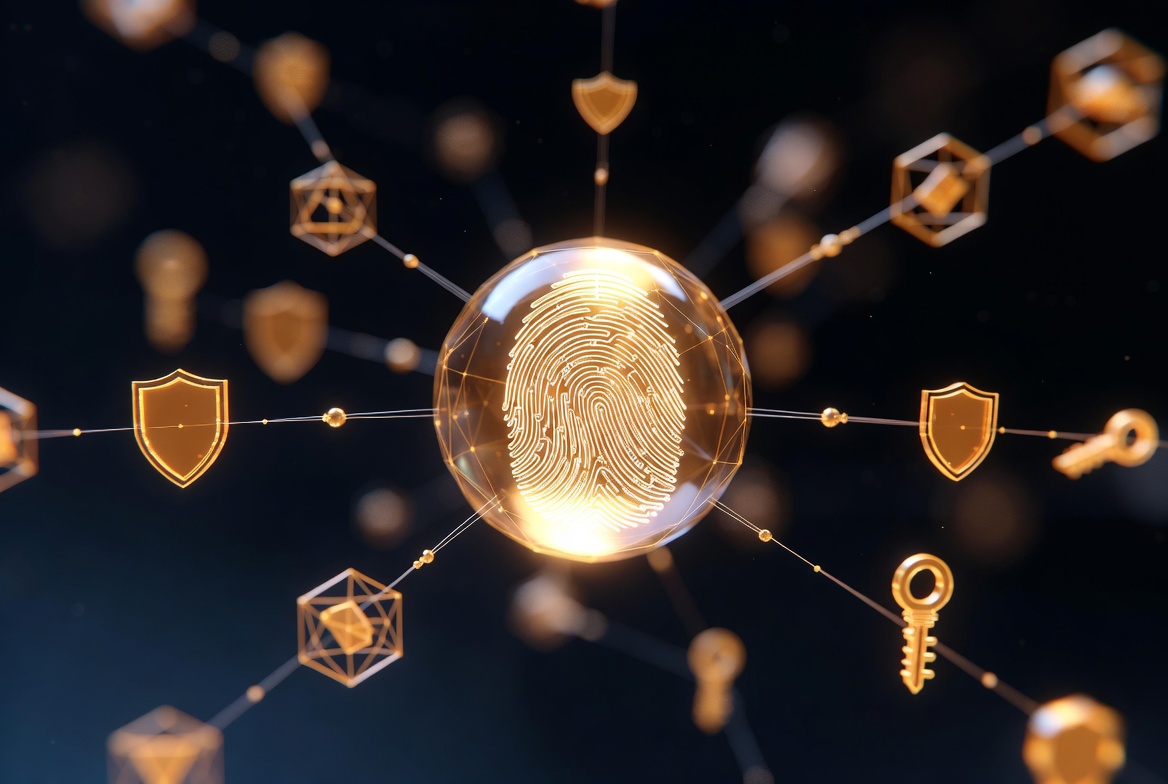
Decentralized social networks rely on blockchain infrastructure to manage identity, data ownership, and content distribution. Instead of creating accounts on centralized servers, users connect to platforms using blockchain wallets. The wallet acts as a digital identity that allows users to interact with decentralized applications.
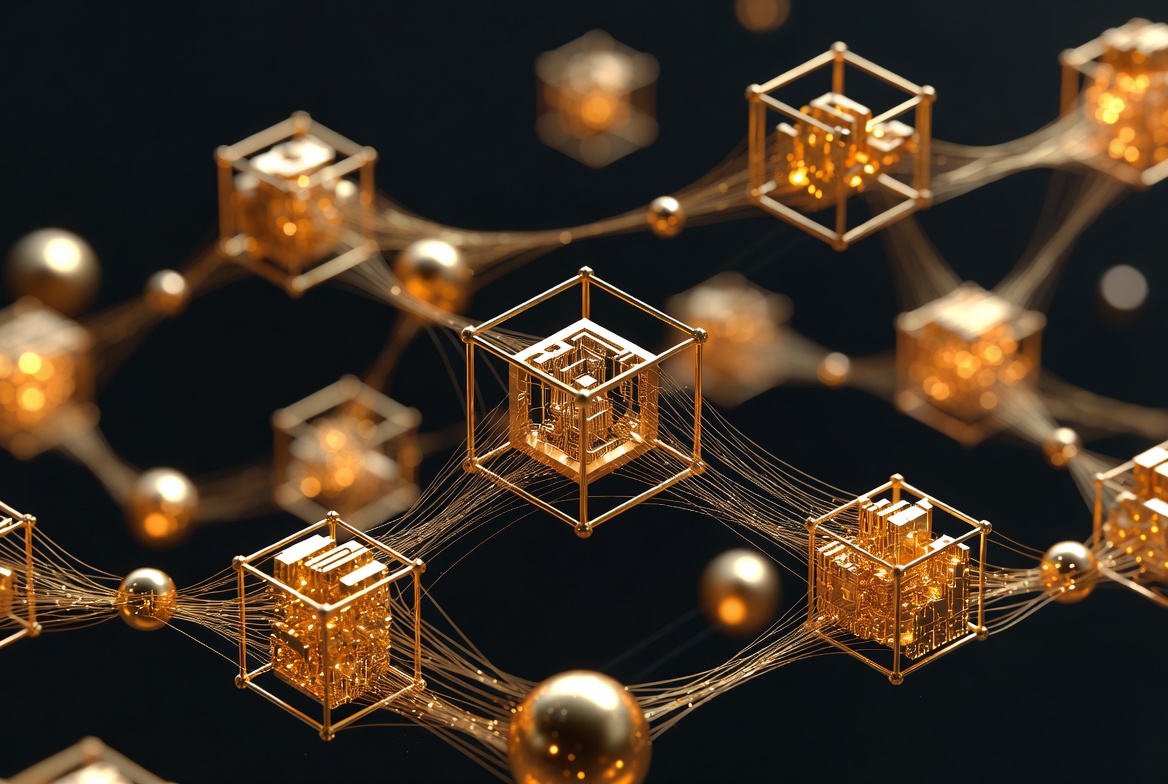
Content created on decentralized social platforms may be stored on distributed storage networks rather than centralized databases. Blockchain systems can record interactions such as posts, likes, and reputation signals. Smart contracts may also manage content ownership and reward systems.
Because the network is decentralized, no single organization controls how the platform operates. This architecture can separate the social layer from the platform layer — a user may be able to keep their identity, content record, or relationship graph even if they change the interface they use to access the network.
Key Features of Web3 Social Platforms
Digital Identity
Users in Web3 social networks authenticate through blockchain wallets, which serve as persistent digital identities across multiple platforms. This model allows identity to exist independently of any single platform, enabling users to move between decentralized social applications while maintaining their identity and reputation. This portability reduces dependence on any one company's account system.
Creator Ownership
Web3 social networks introduce alternative monetization systems that allow creators to maintain greater control over how their content generates value. Creators may receive direct payments through blockchain tokens or digital assets, issue tokens representing community membership or exclusive access, and sell unique digital content directly to supporters using NFT technology. This creates new revenue streams beyond centralized advertising models.
Token Economies
Many Web3 social platforms incorporate token-based economic systems. Tokens may reward users for contributing valuable content, participating in community governance, or supporting platform development. Decentralized governance systems allow token holders to vote on platform changes, enabling communities to influence how platforms evolve rather than relying solely on decisions made by centralized companies.
User Ownership
Web3 social platforms give users control of their identity, content, and digital assets through blockchain wallets rather than centralized accounts. Because blockchain networks record transactions and interactions publicly, many aspects of platform operation can be verified transparently. This characteristic aligns with the broader Web3 philosophy of decentralization, giving users continuity and ownership across changing platforms and interfaces.
Challenges of Decentralized Social Networks
Despite their potential, Web3 social platforms face several challenges. Adoption remains a major hurdle — traditional social networks have massive user bases and established network effects. For decentralized platforms to compete, they must provide compelling user experiences that attract large communities.
Scalability is another issue. Blockchain networks must process large numbers of transactions efficiently to support social media activity on a global scale. Content moderation also presents challenges, as decentralized systems must balance censorship resistance with mechanisms that prevent harmful content.
There is also a usability challenge. Wallet onboarding, key management, and blockchain terminology can still feel too technical for many mainstream users. If those barriers remain high, adoption will remain limited even if the underlying model is strong.
Web3 Social and the Decentralized Internet
Web3 social networks represent an important component of the decentralized internet. The decentralized internet aims to replace centralized control with open networks in which users maintain ownership of their data and digital identities.
Social platforms built on Web3 infrastructure allow communities to organize around shared interests without relying on centralized companies. These platforms also enable new forms of digital collaboration and community governance.
Social systems are among the most visible tests of the decentralized internet because they combine identity, content, community, governance, and economic participation in a single environment. As decentralized identity systems, tokenized economies, and blockchain infrastructure continue developing, Web3 social networks may play an increasingly important role in online interaction.
The Future of Web3 Social
The future of Web3 social networks will depend on technological improvements and broader user adoption. Advances in blockchain scalability and decentralized storage will allow platforms to support larger communities and richer content experiences. Improved wallet technology and identity systems may simplify onboarding for new users. As creator economies continue to evolve, Web3 social platforms may offer new models for digital communities in which creators and users share ownership of the platforms they participate in. Its long-term value will likely depend on whether it can offer something meaningfully better than traditional social media — not just a more technical version of the same experience. If it can combine strong usability with stronger ownership and community alignment, it could become a major part of the next internet model.

Sarah Johnson
Chief Trading Strategist
Leading organic growth strategist with 10+ years of experience in cryptocurrency markets. Sarah specializes in Web3 ecosystems and decentralized communities, helping users understand how blockchain technology is reshaping online social networks and creator economies.
Continue Learning
To understand the broader Web3 ecosystem, explore these guides.
Web3 Wallet

Web3 Platforms

Web3 Infrastructure

Web3 Gaming

Tokenized Economy

Decentralized Storage

Decentralized Internet

Decentralized Identity

Decentralized Applications
Frequently asked Questions
Web3 social refers to decentralized social networks built on blockchain technology where users control their identity and digital content.
Ready to Start
Learning?
Join thousands of investors who are mastering the art of crypto investing with XFB Academy.