Web2
Centralized platforms own and control user data and digital assets. Users access services through accounts managed by corporations. Large companies capture most of the value.
Web3 describes a new generation of internet infrastructure built on decentralized technologies such as blockchain networks, distributed storage systems, and digital identity protocols — allowing individuals to own their digital assets and interact directly with decentralized systems.
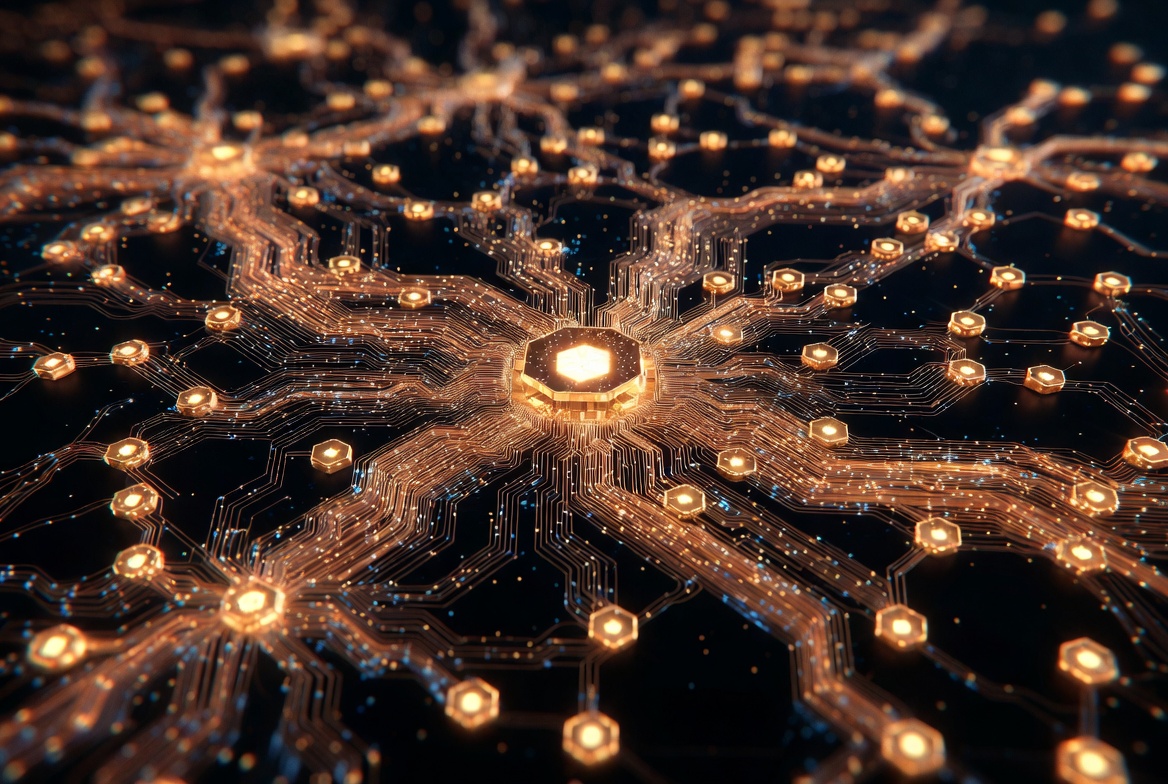
Web3 refers to an internet ecosystem in which applications run on decentralized networks rather than centralized servers.
These systems rely on blockchain infrastructure, cryptographic security, and distributed networks to create open digital environments where applications can provide financial services, digital ownership systems, identity solutions, and decentralized marketplaces.
Web3 technologies enable digital asset ownership, decentralized infrastructure, open participation, and programmable systems — features that allow entirely new forms of digital interaction.
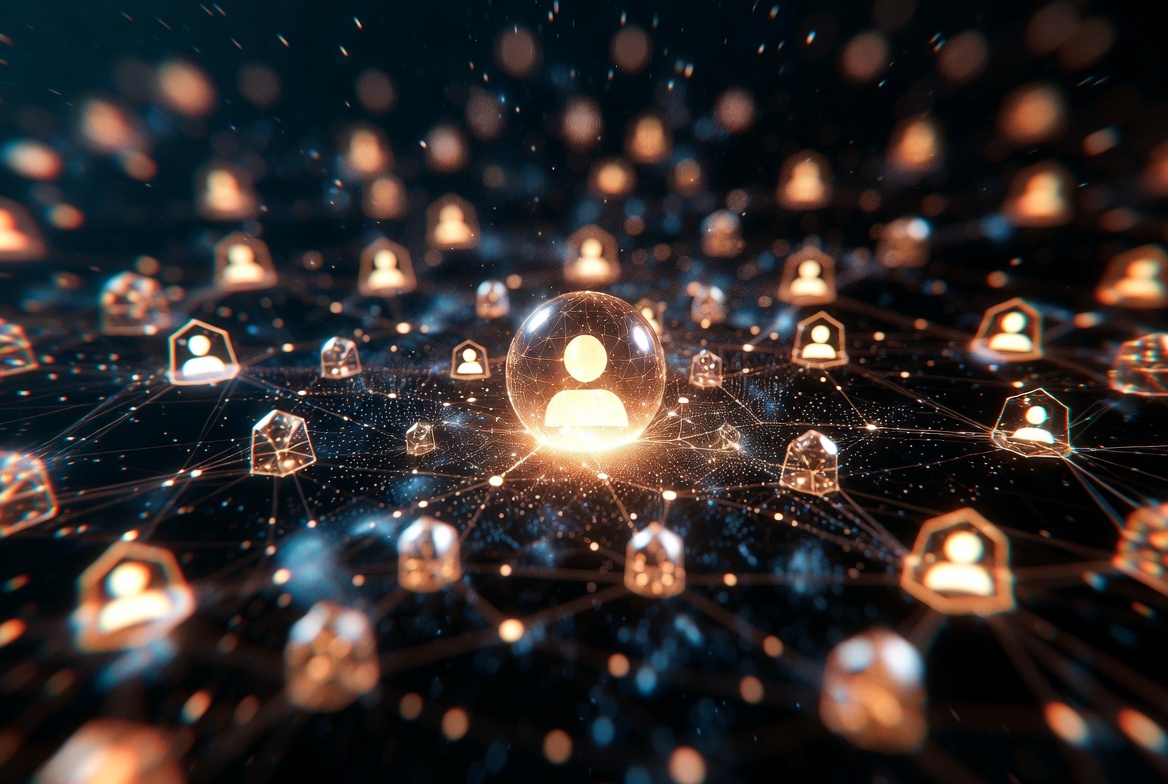
In Web3, users interact with services using digital wallets rather than traditional accounts — no registration, no central authority controlling your data or assets.
Static websites where users consumed information with limited interaction
Interactive platforms — social networks and marketplaces — but centralized data control
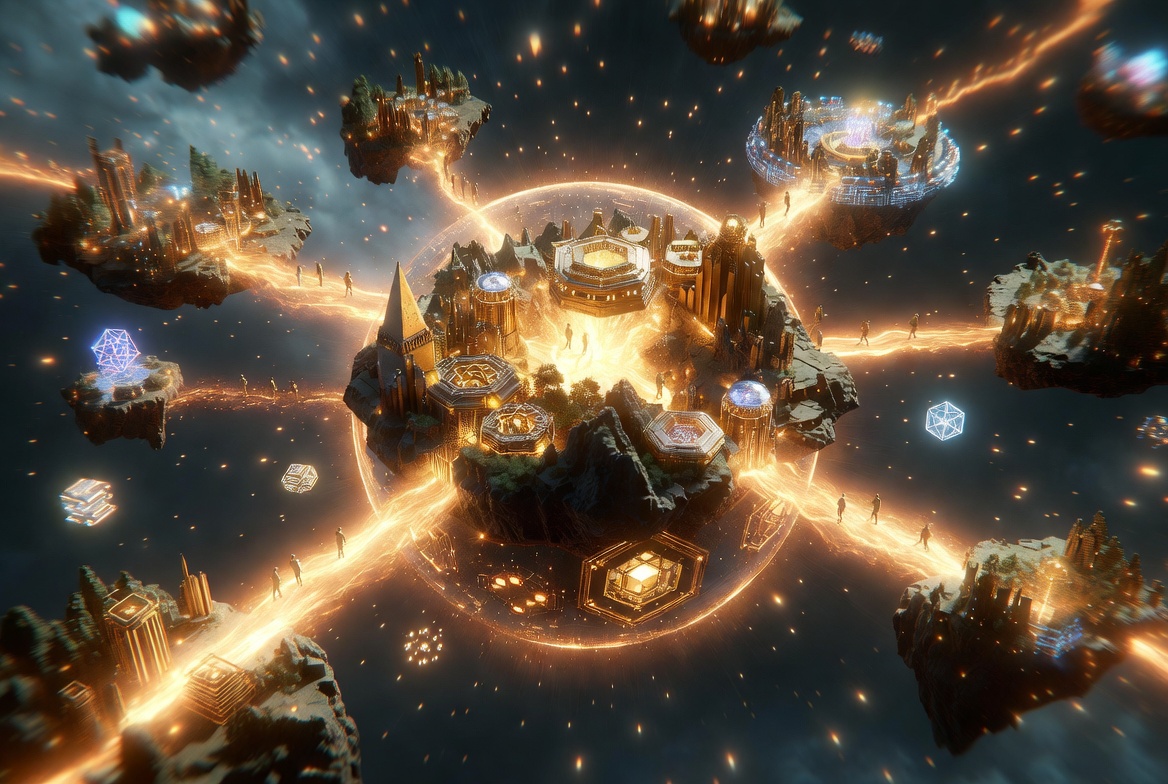
Decentralized infrastructure where users own assets and interact directly with networks
Tokenized economies, decentralized identity, and integration with traditional systems
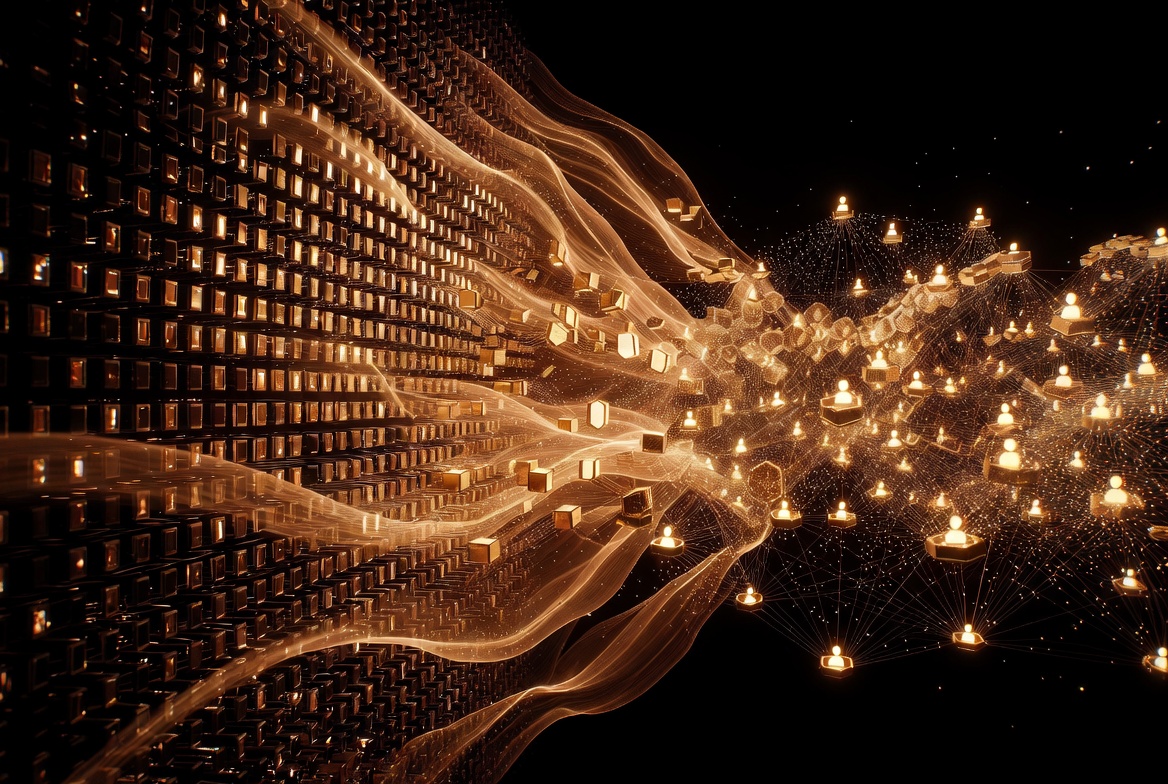
In the Web3 model, users maintain ownership of their digital assets and identities while interacting directly with decentralized applications.
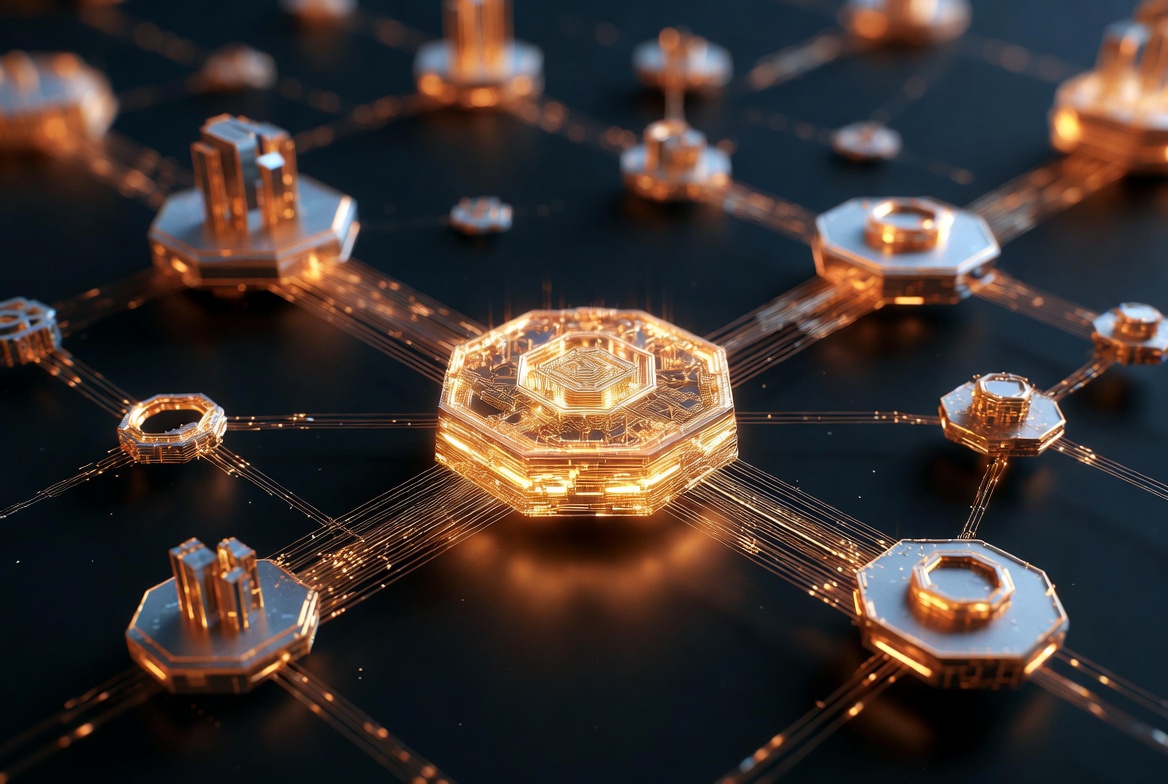
Web3 systems rely on several key technologies that work together to create a decentralized internet infrastructure without centralized control.
Provide the underlying ledger systems that record transactions and digital ownership across decentralized nodes.
Allow automated processes to run on blockchain networks without centralized control or manual intervention.
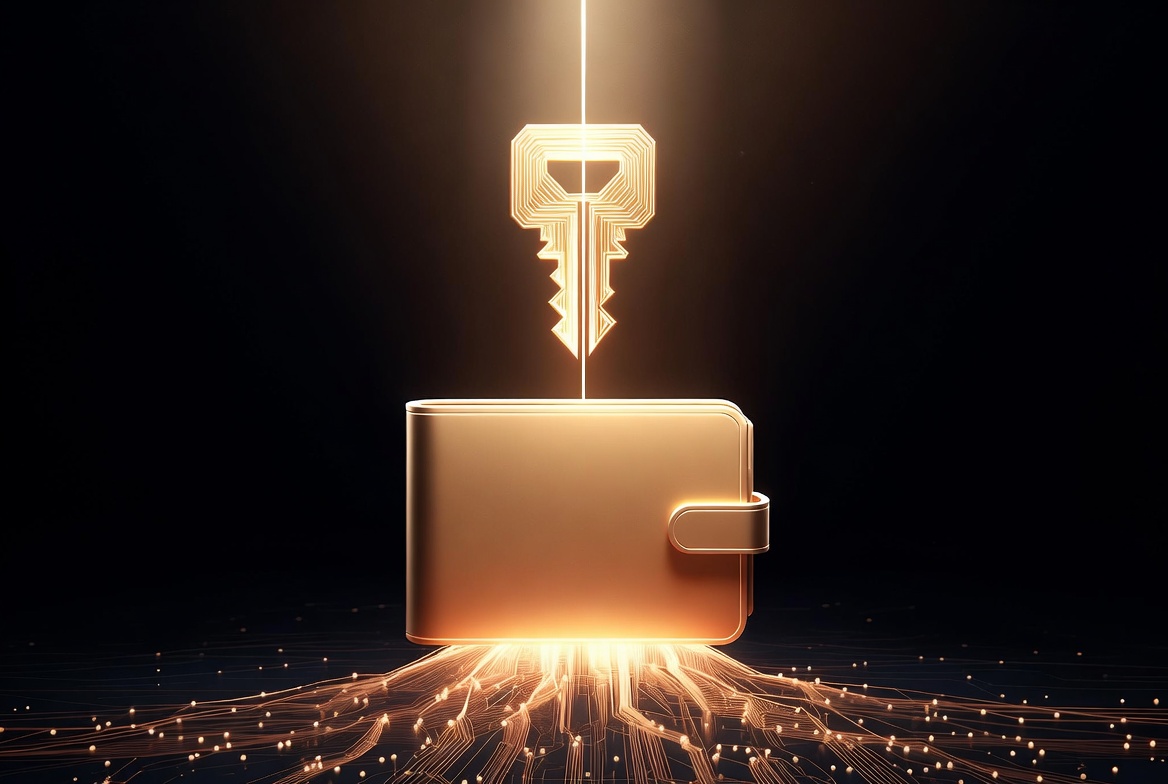
Users interact with Web3 systems through wallets that manage cryptographic keys and digital assets.
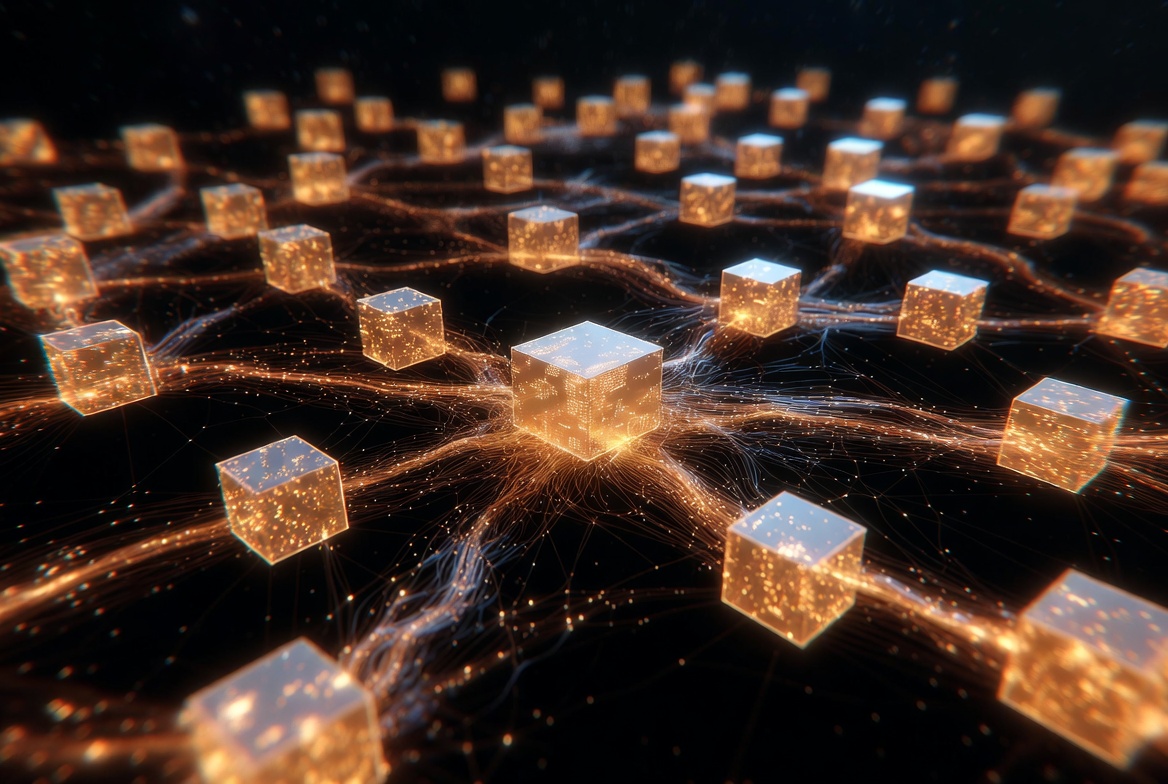
Distributed storage networks store files across decentralized infrastructure rather than centralized servers.
One of the most important concepts in Web3 is digital ownership — a fundamental shift in how online systems operate.
Traditional internet platforms often control the digital assets created within their systems. Social media posts, digital items in games, and online content are typically stored on centralized platforms that retain control over the data.
Web3 systems allow users to hold digital assets directly through blockchain networks — including digital currencies, tokenized assets, digital collectibles, or other blockchain-based property.
Because Web3 assets exist on decentralized networks, users can transfer or manage them without relying on any centralized platform — unlike traditional digital assets locked inside apps or games.

Web3 wallets allow users to interact with decentralized applications and manage digital assets. They serve as gateways to the decentralized internet.
Wallets store private keys that prove ownership and allow users to sign blockchain transactions.
Connect directly to decentralized applications without traditional username and password accounts.
Transfer digital assets globally without banks or payment processors.
Your wallet address acts as your identity across the Web3 ecosystem.
Despite its potential, Web3 systems face several challenges. As infrastructure improves, many of these are actively being addressed.

Interacting with decentralized applications can be complex for new users.
Some blockchain networks struggle to process large volumes of transactions.
Governments are still developing policies related to decentralized systems and digital assets.
Users must protect their own private keys and wallet access — there is no password reset.
Understanding the key differences between Web2 and Web3 clarifies why decentralized internet infrastructure represents a meaningful shift.
Centralized platforms own and control user data and digital assets. Users access services through accounts managed by corporations. Large companies capture most of the value.
Users own their digital assets and identity on decentralized networks. Applications run on open infrastructure without single points of control. Value flows directly to participants.
Web3 is building a user-owned internet powered by blockchain and decentralization.
Web3 represents the next evolution of the internet, shifting power from centralized platforms to users. Built on blockchain technology, Web3 enables decentralized applications, digital ownership, and trustless interactions. Instead of relying on companies to control your data and identity, Web3 puts you in charge.
Web3 continues to evolve as blockchain infrastructure becomes more advanced.
Several trends may shape the future of the decentralized internet: decentralized identity systems where users control their online identity, new digital marketplaces built on Web3 infrastructure, and integration with traditional financial institutions and technology companies.
These developments suggest that decentralized technologies may become an important layer of future internet infrastructure — reshaping how individuals interact with digital services globally.
Digital assets may represent a wide range of financial instruments, real estate, and creative content in a new tokenized economy built on open blockchain infrastructure.
Explore these guides to understand the Web3 ecosystem in depth.

Web3 refers to a decentralized version of the internet where applications run on blockchain networks instead of centralized servers.
Join thousands of students transforming their financial future today.